- All
- 3D Modelling
- AI
- Audio
- Case Studies
- Computer Science
- CT
- Databases
- DDDO
- Digital Capability
- Digital Media
- Digital Technologies
- Electronics and Mechatronics
- Ethics
- Flask
- Game Development
- Gaming
- Generative AI
- GitHub
- Godot
- HCI
- Microsoft
- NCEA
- News
- NZC
- NZCE
- OCR
- Opinion
- Phase 4
- Phase 5
- Phases
- Programming
- Project Management Tools and Techniques
- Python
- Technology
- Testing and Trialing
- Uncategorized
- UX
- Version Control
- Web Design
- Windows
-
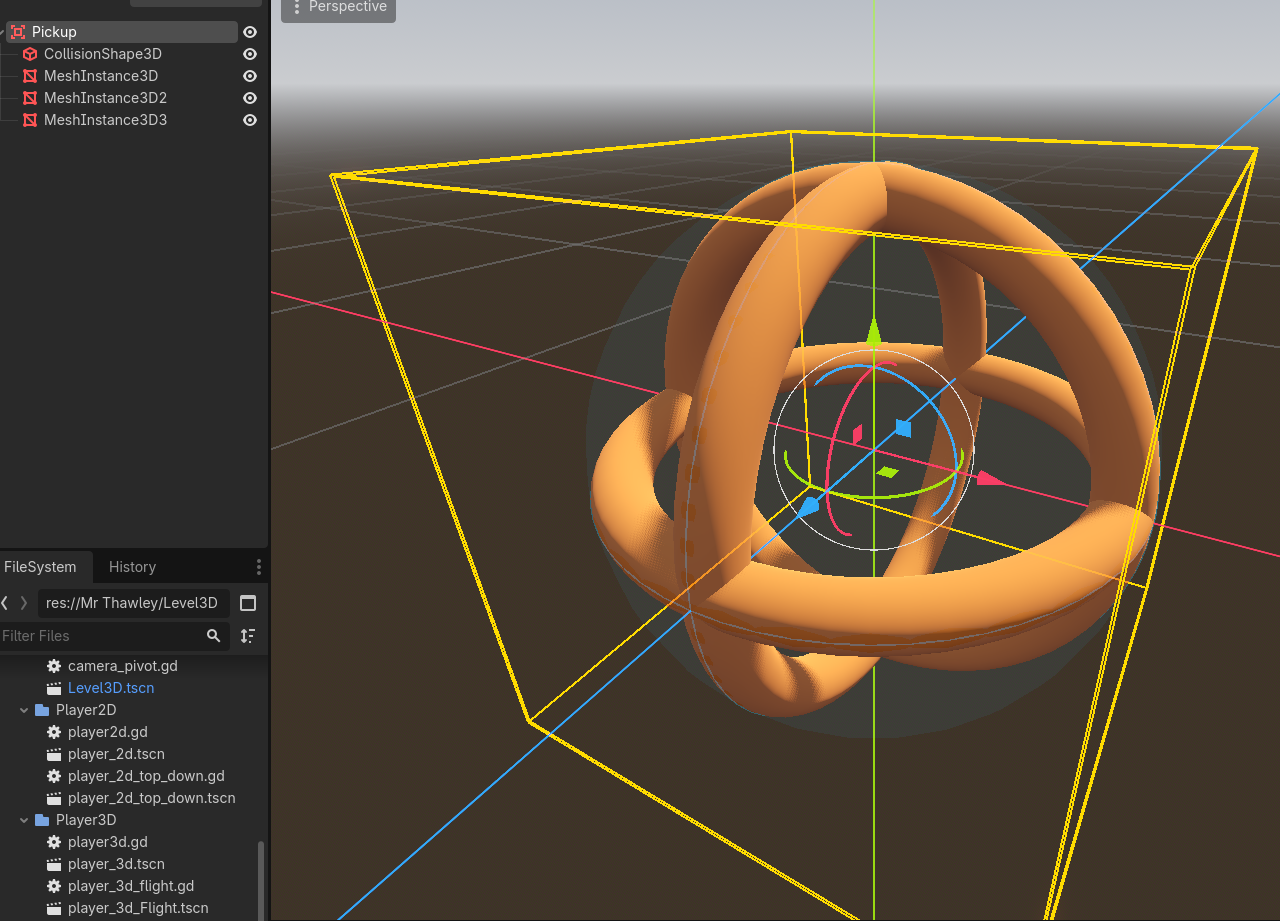
Godot Pickups
 Read more: Godot Pickups
Use this script on a pickup object (Area3D) or collectable. This will add a score (assuming the player has a method called add_score.
-
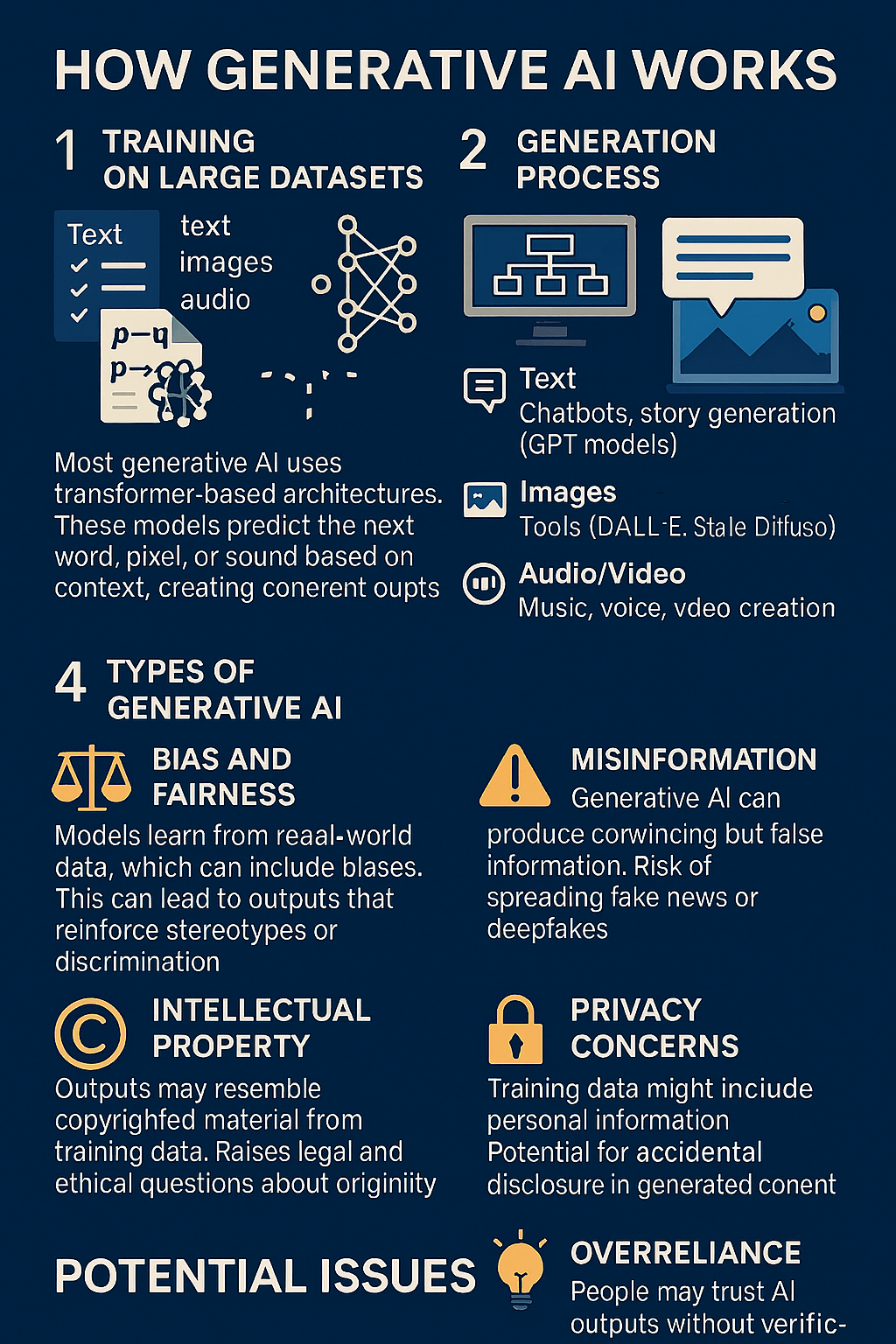
How Generative AI Works
 Read more: How Generative AI Works
What is Generative AI? Generative AI refers to systems that can create new content—text, images, audio, or video—based on patterns learned from large datasets. How It Works Potential Issues The image below is an example of an infographic created using Generative AI. Note that, at first glance, it appears to meet the needs; however, upon…
-
Is is Possible to Block Social Media
 Read more: Is is Possible to Block Social Media
Questions Technology & System Design Policy & Responsibility Ethics & Privacy Cultural & Societal Shifts
-
Playing audio when an action occurs (Play on Jump)
 Read more: Playing audio when an action occurs (Play on Jump)
Now we want to add a sound that will play each time the user jumps. Open the Player scene. Add an AudioStreamPlayer2D to the root player object. When you select an audio file in the FileSystem you can then preview it using the Inspector. By default ogg files are imported with Loop enabled. Select the…
-
Python: 01 Comments
 Read more: Python: 01 Comments
Comments are one of the best ways of ensuring that you write quality code that can be easily understood. Comments should Explain the purpose of a section of code. Most languages have two types of Comment a single line Comment and a multiple line Comment. In Python we use the # symbol to start a single line…
-
Python: 2 Displaying Output – Printing messages
Read more: Python: 2 Displaying Output – Printing messagesPrinting and displaying output is an essential Component of Programming. In Python we use the print() Function / command. You can Identify a Function by the () that it has (they are also used for creating classes and making our own functions but don’t worry about this yet). Inside the ( ) you put the…
-
Python: 3 Strings are Text
 Read more: Python: 3 Strings are Text
Strings are a Data Type that is used to store text. Any Data the has characters (A-Z, a-z and other symbols like ! @ ‘ , . &) is a String, if it also has characters and numbers it will be stored as a String. If it just has numbers it will be stored as…
-
Python: 4 Variables, Data Types and Assignment
Read more: Python: 4 Variables, Data Types and AssignmentVariables are used to store Data. They consist of an identifier or name that is used to reference the contents of the Variable throughout the program. They are used to store Data (content). A Variable must be created and have Data assigned to it before it can be used in a program. Python is known…
-
Python: 5 File and Project Management
Read more: Python: 5 File and Project ManagementIt is really important to have excellent file management at all times but it is especially important when writing programs. The most important thing to do is to Ensure that the files are named correctly and stored in logical locations. Make sure that your files have .py on the end to indicate that they are…
-
Python: 6 Numbers and Operators ( + – / * )
Read more: Python: 6 Numbers and Operators ( + – / * )Numbers work as you would expect. Note that 2 and 2.0 are considered different types. 2 is an Integer and 2.0 of a double. You can also specify a floating point number by including an f after the number 2.0f When carrying out calculations you should always try to have numbers of the same type.…
-
Welcome! We’re Under Construction
Please bear with us while we redevelop the website to incorporate current and future New Zealand curriculum developments and integrate aspects of the UK curriculum. Please consider turning off your adblocker for this site as we use advertising to keep content free for all users.
-
Building a Web App with Flask & SQLite
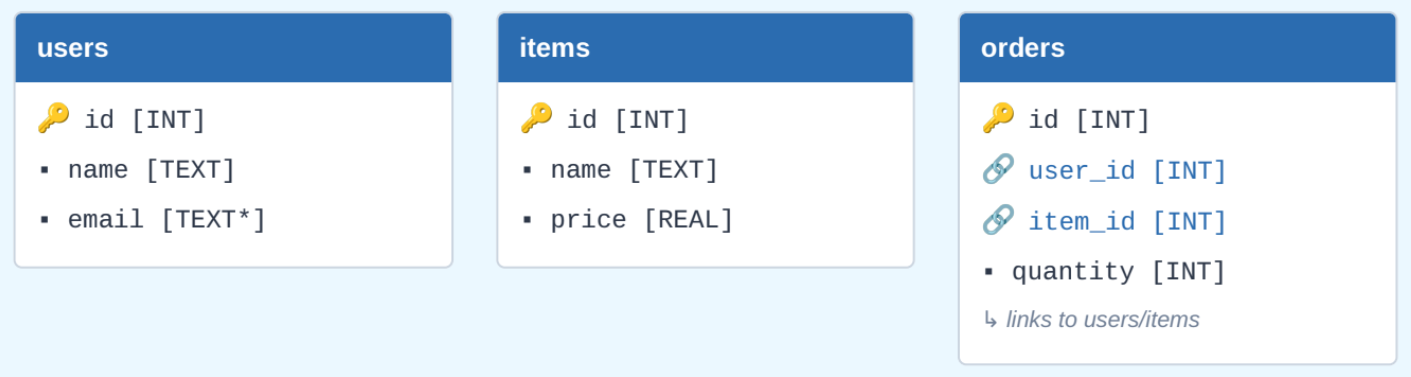
Building a web application with Flask, Python, and SQLite is an excellent way to understand how backend architectures interact with a relational database layer. This Guide walks you through building an interactive Order Management System capable of handling user creation, item inventory records, and relational order fulfillment. Project Architecture & Setup Before implementing any code,…
-
Creating a simple and rough head bob/sway animation in Godot 4
-
Creating models in Blockbench and using in Godot 4.
Installing Blockbench Creating a Model Adding Textures Animating a Model Exporting models and importing into Godot 4
-
Flask | Adding Images
Displaying images in a Flask application follows the exact same logic as linking external CSS files. Because Flask manages paths dynamically, you cannot use standard relative file paths like src=”../images/photo.jpg”. Instead, you use the built-in URL_for Function to tell Flask to look inside your designated directory. Here is a step-by-step Guide to organising, referencing, and…
-
Flask | Adding Styles with CSS
Serving Static files like CSS stylesheets in a web framework is slightly different from doing it in pure HTML. Because Flask manages paths dynamically, it uses a built-in Function called URL_for to safely locate and link your Static assets. Here is a step-by-step Guide to setting up, organising, and linking a CSS file to your…
-
Flask | Template Inheritance
In Flask, template inheritance is one of the most powerful features of the Jinja2 template engine. It allows you to create a single “master” layout (a base blueprint) containing your site’s common structure—like the HTML skeleton, navigation bar, and footer—and then inherit and override specific sections in your child templates. This prevents code duplication and…
-
GitHub Classroom Accepting and Setting up an Assignment (with Godot)
1. Select your name and select continue If you are not on the list select Skip to the next step 2. Enter a name for your team Not that only one team member should complete this step. The other team members can select the team to join. 3. Click Create Team Or Join Team if…
-
GitHub Classroom – Creating an Assignment as a Teacher
1. Go to classroom.github.com classroom.github.com 2. Click Sign In and sign in with your GitHub Account 3. Click New Classroom if you haven't made one already 3.1. Select the Organisation to use This groups the assignments together. Create an organisation if you Need one. 3.1.1. Enter the classroom name and click Create Classroom 3.1.2. Click…
-
Godot 4 | Adding Audio
We will add audio to our game. This will involve adding music to the main level and sound effects when the player jumps. Importing Audio You can download free audio assets from kenney.nl here or use a tool to create your own. This example uses the Music Jingles and Impact Sounds audio asset packs. Extract the asset packs into your Assets…
-
Godot 4 Parallax Scrolling
Scene Setup Start by creating a new 2D scene in Godot. Add ParallaxBackground Add ParallaxLayer(s) Add Visual Elements Configure Motion Scale This controls how fast each layer moves relative to the camera. References [1] docs.godotengine.org