- All
- 3D Modelling
- AI
- Audio
- Case Studies
- Computer Science
- CT
- Databases
- DDDO
- Digital Capability
- Digital Media
- Digital Technologies
- Electronics and Mechatronics
- Ethics
- Flask
- Game Development
- Gaming
- Generative AI
- GitHub
- Godot
- HCI
- Microsoft
- NCEA
- News
- NZC
- NZCE
- OCR
- Opinion
- Phase 4
- Phase 5
- Phases
- Programming
- Project Management Tools and Techniques
- Python
- Technology
- Testing and Trialing
- Uncategorized
- UX
- Version Control
- Web Design
- Windows
-
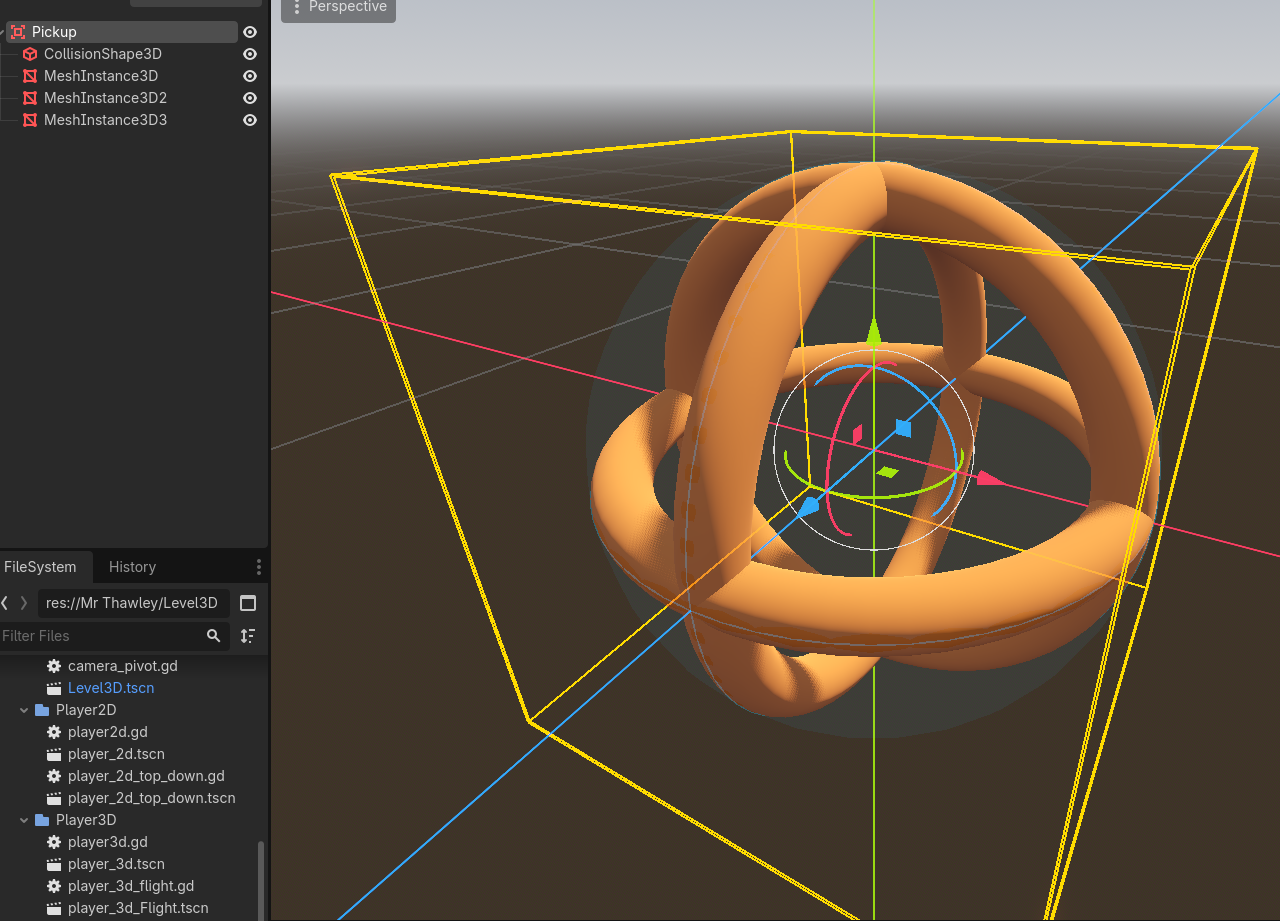
Creating a simple and rough head bob/sway animation in Godot 4
 Read more: Creating a simple and rough head bob/sway animation in Godot 4
 -
Creating models in Blockbench and using in Godot 4.
Read more: Creating models in Blockbench and using in Godot 4.Installing Blockbench Creating a Model Adding Textures Animating a Model Exporting models and importing into Godot 4
-
Flask | Adding Images
 Read more: Flask | Adding Images
Displaying images in a Flask application follows the exact same logic as linking external CSS files. Because Flask manages paths dynamically, you cannot use standard relative file paths like src=”../images/photo.jpg”. Instead, you use the built-in URL_for Function to tell Flask to look inside your designated directory. Here is a step-by-step Guide to organising, referencing, and…
-
Flask | Adding Styles with CSS
 Read more: Flask | Adding Styles with CSS
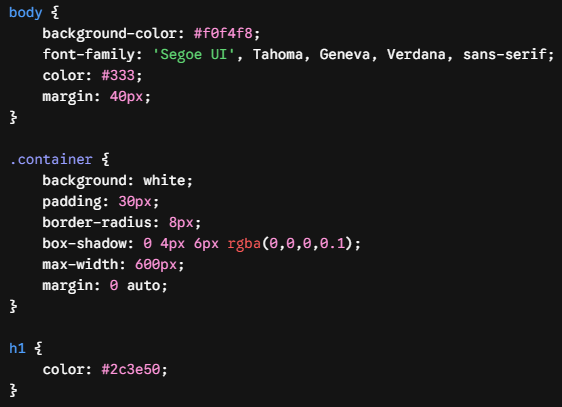
Serving Static files like CSS stylesheets in a web framework is slightly different from doing it in pure HTML. Because Flask manages paths dynamically, it uses a built-in Function called URL_for to safely locate and link your Static assets. Here is a step-by-step Guide to setting up, organising, and linking a CSS file to your…
-
Flask | Template Inheritance
 Read more: Flask | Template Inheritance
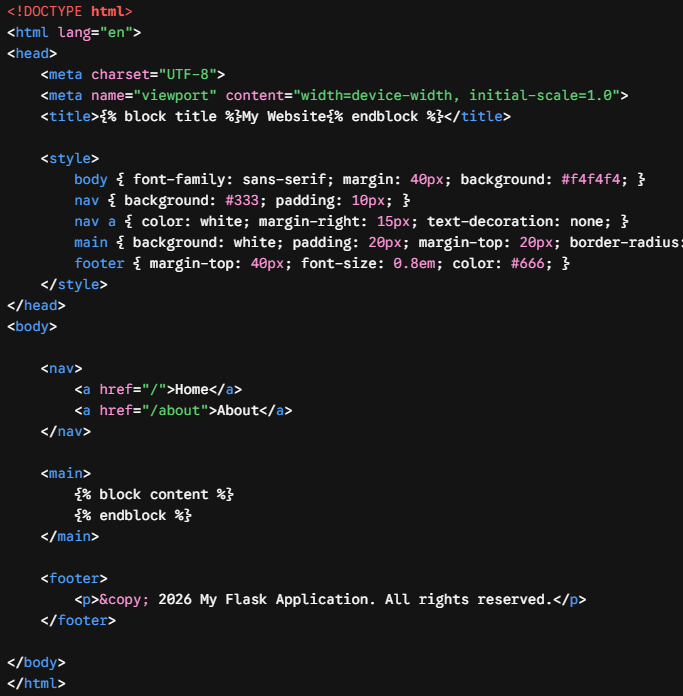
In Flask, template inheritance is one of the most powerful features of the Jinja2 template engine. It allows you to create a single “master” layout (a base blueprint) containing your site’s common structure—like the HTML skeleton, navigation bar, and footer—and then inherit and override specific sections in your child templates. This prevents code duplication and…
-
GitHub Classroom – Creating an Assignment as a Teacher
 Read more: GitHub Classroom – Creating an Assignment as a Teacher
1. Go to classroom.github.com classroom.github.com 2. Click Sign In and sign in with your GitHub Account 3. Click New Classroom if you haven't made one already 3.1. Select the Organisation to use This groups the assignments together. Create an organisation if you Need one. 3.1.1. Enter the classroom name and click Create Classroom 3.1.2. Click…
-
GitHub Classroom Accepting and Setting up an Assignment (with Godot)
 Read more: GitHub Classroom Accepting and Setting up an Assignment (with Godot)
1. Select your name and select continue If you are not on the list select Skip to the next step 2. Enter a name for your team Not that only one team member should complete this step. The other team members can select the team to join. 3. Click Create Team Or Join Team if…
-
Godot 4 | Adding Audio
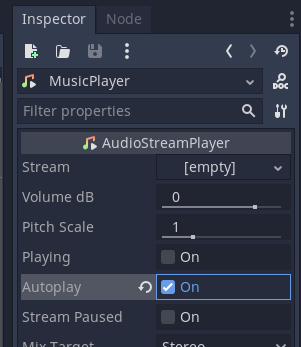 Read more: Godot 4 | Adding Audio
We will add audio to our game. This will involve adding music to the main level and sound effects when the player jumps. Importing Audio You can download free audio assets from kenney.nl here or use a tool to create your own. This example uses the Music Jingles and Impact Sounds audio asset packs. Extract the asset packs into your Assets…
-
Godot 4 Parallax Scrolling
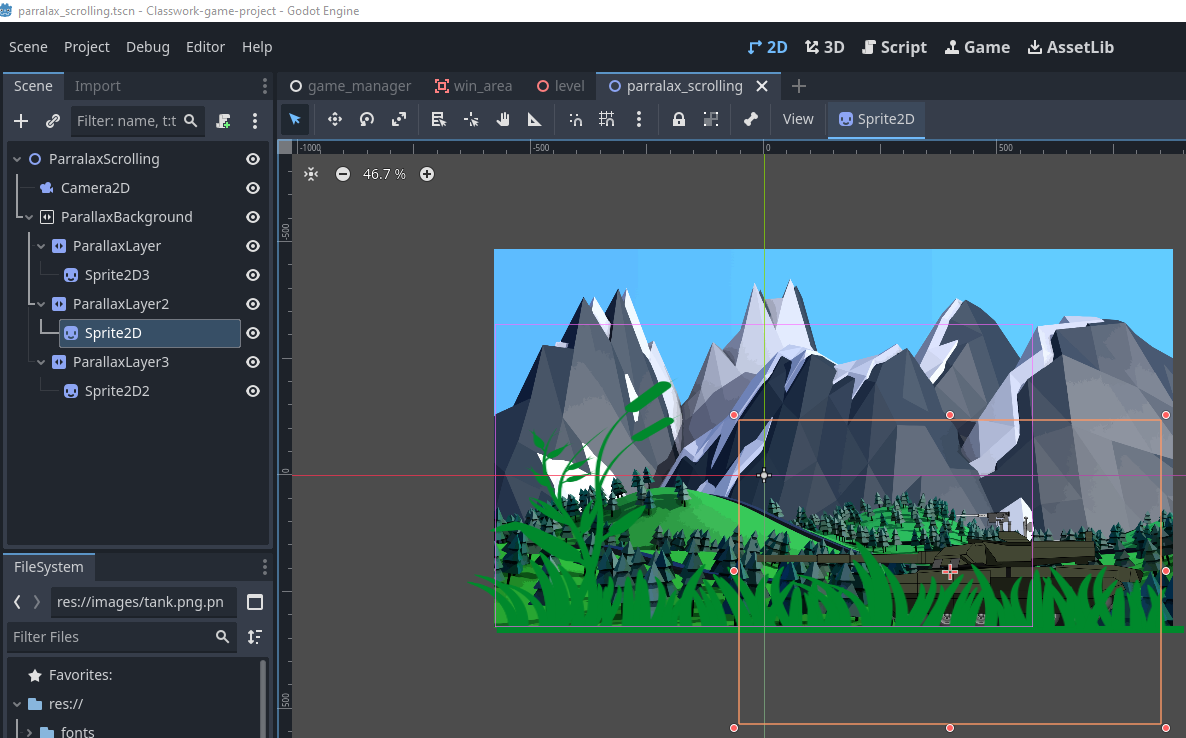 Read more: Godot 4 Parallax Scrolling
Scene Setup Start by creating a new 2D scene in Godot. Add ParallaxBackground Add ParallaxLayer(s) Add Visual Elements Configure Motion Scale This controls how fast each layer moves relative to the camera. References [1] docs.godotengine.org
-
Godot Grapple Mechanic
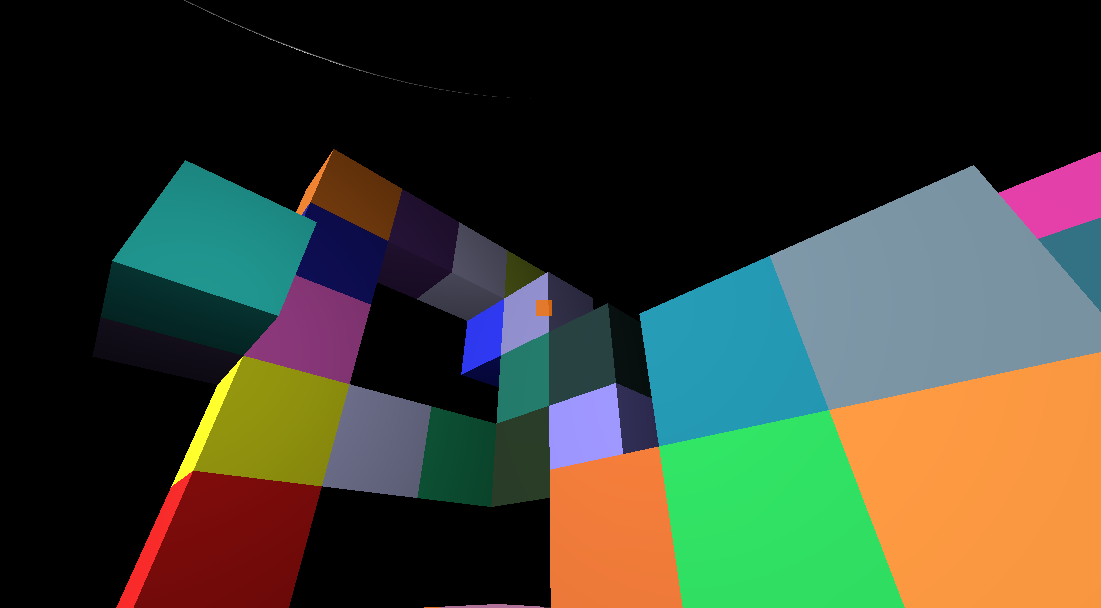 Read more: Godot Grapple Mechanic
You can download a sample Grapple Mechanic from the link below. Download files. This uses a raycast to collide with an body and then moves the player towards the target. You will Need to add or chanrge the relevant input maps for grapple, sprint, and movement.
-
Welcome! We’re Under Construction
Please bear with us while we redevelop the website to incorporate current and future New Zealand curriculum developments and integrate aspects of the UK curriculum. Please consider turning off your adblocker for this site as we use advertising to keep content free for all users.
-
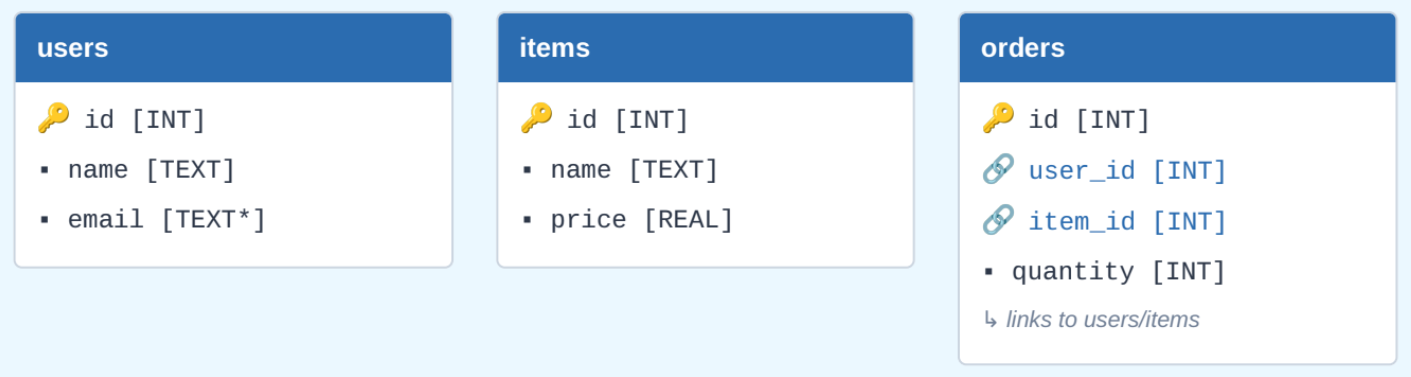
Building a Web App with Flask & SQLite
Building a web application with Flask, Python, and SQLite is an excellent way to understand how backend architectures interact with a relational database layer. This Guide walks you through building an interactive Order Management System capable of handling user creation, item inventory records, and relational order fulfillment. Project Architecture & Setup Before implementing any code,…
-
Creating a simple and rough head bob/sway animation in Godot 4
-
Creating models in Blockbench and using in Godot 4.
Installing Blockbench Creating a Model Adding Textures Animating a Model Exporting models and importing into Godot 4
-
Flask | Adding Images
Displaying images in a Flask application follows the exact same logic as linking external CSS files. Because Flask manages paths dynamically, you cannot use standard relative file paths like src=”../images/photo.jpg”. Instead, you use the built-in URL_for Function to tell Flask to look inside your designated directory. Here is a step-by-step Guide to organising, referencing, and…
-
Flask | Adding Styles with CSS
Serving Static files like CSS stylesheets in a web framework is slightly different from doing it in pure HTML. Because Flask manages paths dynamically, it uses a built-in Function called URL_for to safely locate and link your Static assets. Here is a step-by-step Guide to setting up, organising, and linking a CSS file to your…
-
Flask | Template Inheritance
In Flask, template inheritance is one of the most powerful features of the Jinja2 template engine. It allows you to create a single “master” layout (a base blueprint) containing your site’s common structure—like the HTML skeleton, navigation bar, and footer—and then inherit and override specific sections in your child templates. This prevents code duplication and…
-
GitHub Classroom Accepting and Setting up an Assignment (with Godot)
1. Select your name and select continue If you are not on the list select Skip to the next step 2. Enter a name for your team Not that only one team member should complete this step. The other team members can select the team to join. 3. Click Create Team Or Join Team if…
-
GitHub Classroom – Creating an Assignment as a Teacher
1. Go to classroom.github.com classroom.github.com 2. Click Sign In and sign in with your GitHub Account 3. Click New Classroom if you haven't made one already 3.1. Select the Organisation to use This groups the assignments together. Create an organisation if you Need one. 3.1.1. Enter the classroom name and click Create Classroom 3.1.2. Click…
-
Godot 4 | Adding Audio
We will add audio to our game. This will involve adding music to the main level and sound effects when the player jumps. Importing Audio You can download free audio assets from kenney.nl here or use a tool to create your own. This example uses the Music Jingles and Impact Sounds audio asset packs. Extract the asset packs into your Assets…
-
Godot 4 Parallax Scrolling
Scene Setup Start by creating a new 2D scene in Godot. Add ParallaxBackground Add ParallaxLayer(s) Add Visual Elements Configure Motion Scale This controls how fast each layer moves relative to the camera. References [1] docs.godotengine.org