Advanced techniques involve using a combination of Complex steps to manipulate elements, creating custom behaviours, or integrating Advanced effects. This could be how you have used a Range of tools and their features / techniques to achieve a final Outcome.
Here is what Advanced techniques look like across different digital media types:
Game Design & Interactive Media
- Finite State Machines (FSM): Programming player logic so characters Switch smoothly between states (e.g.,
Idle,Running,Jumping,Falling) without conflicting bugs. - Collision Layer Routing: Assigning distinct structural collision masks so that a projectile hits an enemy but phases straight through the player who shot it.
- Sprite Sheet Animation Handling: Slicing external custom vector sheets, setting up frames, adjusting pivot points, and configuring keyframed animation tracks to Control movement timing.
Web & UI Development
- Responsive Layout Design: Using Advanced CSS Grid or Flexbox alignment techniques combined with media queries to Ensure layout elements automatically rearrange smoothly between mobile screens and desktop monitors.
- Data Integrity & Inputs: Setting up client-side form validation procedures (e.g., regex patterns) to Ensure users enter Data correctly before it is processed.
Video & Motion Graphics
- Chroma Keying & Garbage Masking: Executing a multi-step green-screen keying process—cleaning up rough edges with custom color-spill suppressors and garbage masks to cleanly isolate a subject.
- Motion Tracking & Compositing: Tracking point vectors on a moving background element to cleanly anchor a secondary graphical element, making it look locked into the scene.
Efficient Techniques (The Excellence Requirement)
To achieve an Excellence grade, your execution must be efficient. This means applying techniques that streamline your development pipeline, reduce file bloat, and make your Project easier to maintain or scale.
- Modular Asset Optimisation: The technique of editing, cropping, and compressing graphics or sounds to their exact output dimensions and formats before importing them, keeping your total build light and fast.
- Code Commenting & Style Guides: Writing self-documenting code with clear indentations and concise commenting blocks so that an outside developer can instantly read and understand the underlying logic architecture.
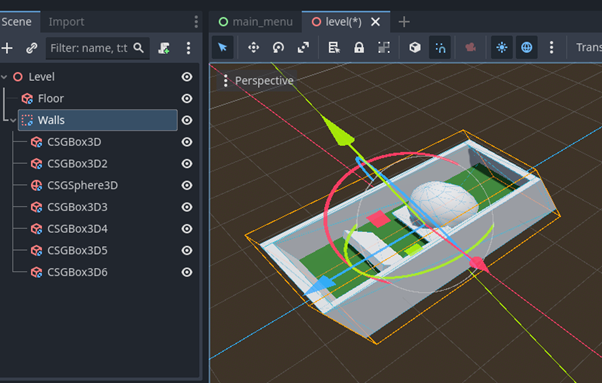
- Reusing Objects & Templates: Creating master templates or reusable objects. For example, in game Design, this is turning a Complex enemy object into a reusable prefab or scene template that can be dropped into any level instantly.