Please bear with us while we redevelop the website to incorporate current and future New Zealand curriculum developments and integrate aspects of the UK curriculum.
Knowledge
Computer science
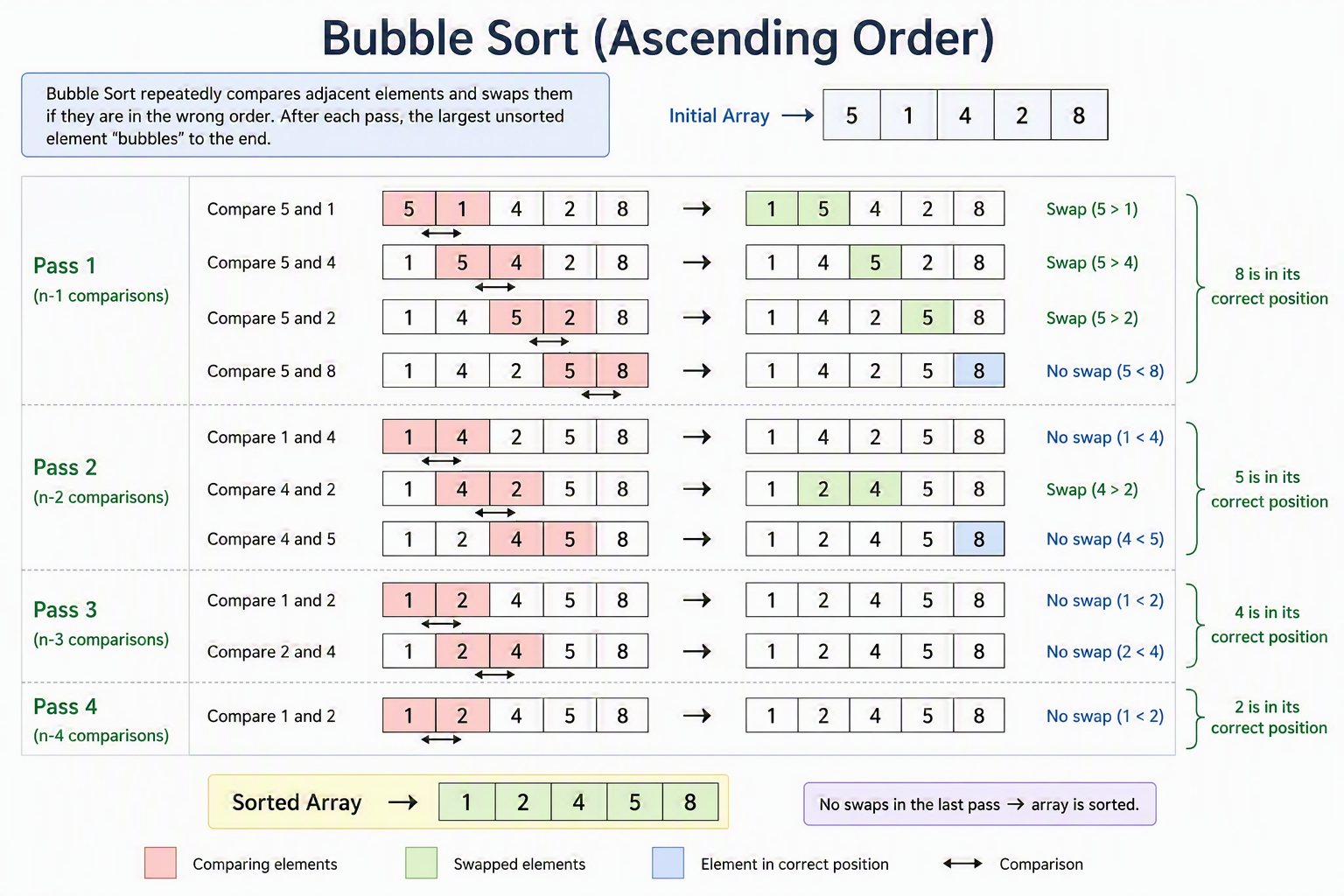
- Algorithms solve problems using structured steps and Control structures (sequence, selection, Iteration).
- Abstraction and Decomposition reduce complexity by breaking problems into smaller parts.
- Variables and simple collections (e.g. list/Array) store and organise Data.
- Data is represented using Bits; number bases (decimal and Binary) and simple encodings (e.g. characters) allow computers to store and process information.
- A computer executes instructions through a fetch–decode–execute cycle, moving Data between memory, processor, and input/output.
- Concept of the modern computer — Alan Turing (1912–1954) developed the theoretical basis for computing, code breaking, and created the Turing Test, a key concept in Artificial Intelligence, between 1936–1950.
Futures literacies
- Artificial Intelligence (AI) Adoption involves technical, social, and ethical factors, including human oversight and accountability.
- Algorithms influence what people see Online, shaping opinions and behaviours.
- Intelligent systems (e.g. AI) use Data and algorithms to make predictions or decisions, and their Outputs can be biased or limited.
Practices
Programming
- Designing, Testing, and Debugging algorithms using flowcharts or Pseudocode, applying trace tables to check correctness
- Implementing small programs using sequence and selection in a beginner-friendly language
- Applying Decomposition to Design simple procedures that isolate tasks
- Converting small numbers between decimal and Binary and explaining how characters are stored
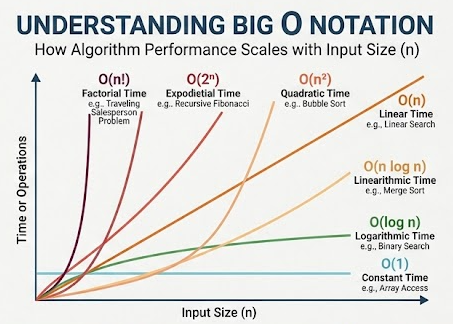
- Comparing simple algorithmic solutions for clarity and efficiency
Futures literacies
- Investigating how Intelligent systems work and identifying risks (e.g. bias, misinformation)
- Analysing AI applications in different sectors and predicting impacts on people and work
- Evaluating when AI is appropriate for a task, considering fairness and accuracy
- Modelling simple Feedback or automation to show how systems respond to Inputs