Please bear with us while we redevelop the website to incorporate current and future New Zealand curriculum developments and integrate aspects of the UK curriculum.
Knowledge
Computer science
- Modularity (functions/procedures with parameters) improves readability, reuse, and Testing.
- Collections enable Iteration and underpin common algorithms.
- Boolean logic and truth tables Explain how compound conditions Control program flow.
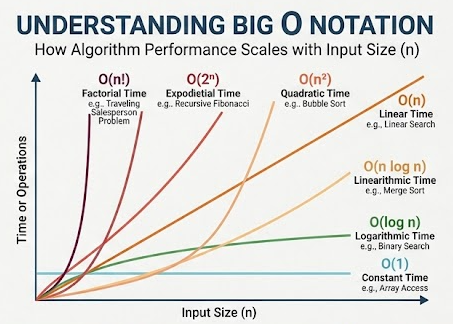
- Basic Algorithm efficiency can be compared by counting operations and Reasoning about trade-offs.
- File handling allows programs to persist and retrieve Data.
- Grace Hopper (1906–1992) created the computer compiler in 1952. Her digital tool made Programming easier and faster, shaping modern software development.
Futures literacies
- Data sources, quality, and Model Design shape AI capabilities, limitations, and System Performance, while Algorithm Design influences fairness, trust, and societal impact.
- Intelligent systems operate at speed and scale, creating benefits and risks that require transparency, inclusivity, and ethical Design.
Practices
Programming
Programming
- Constructing programs that use functions/procedures with parameters and return values; writing unit-style tests
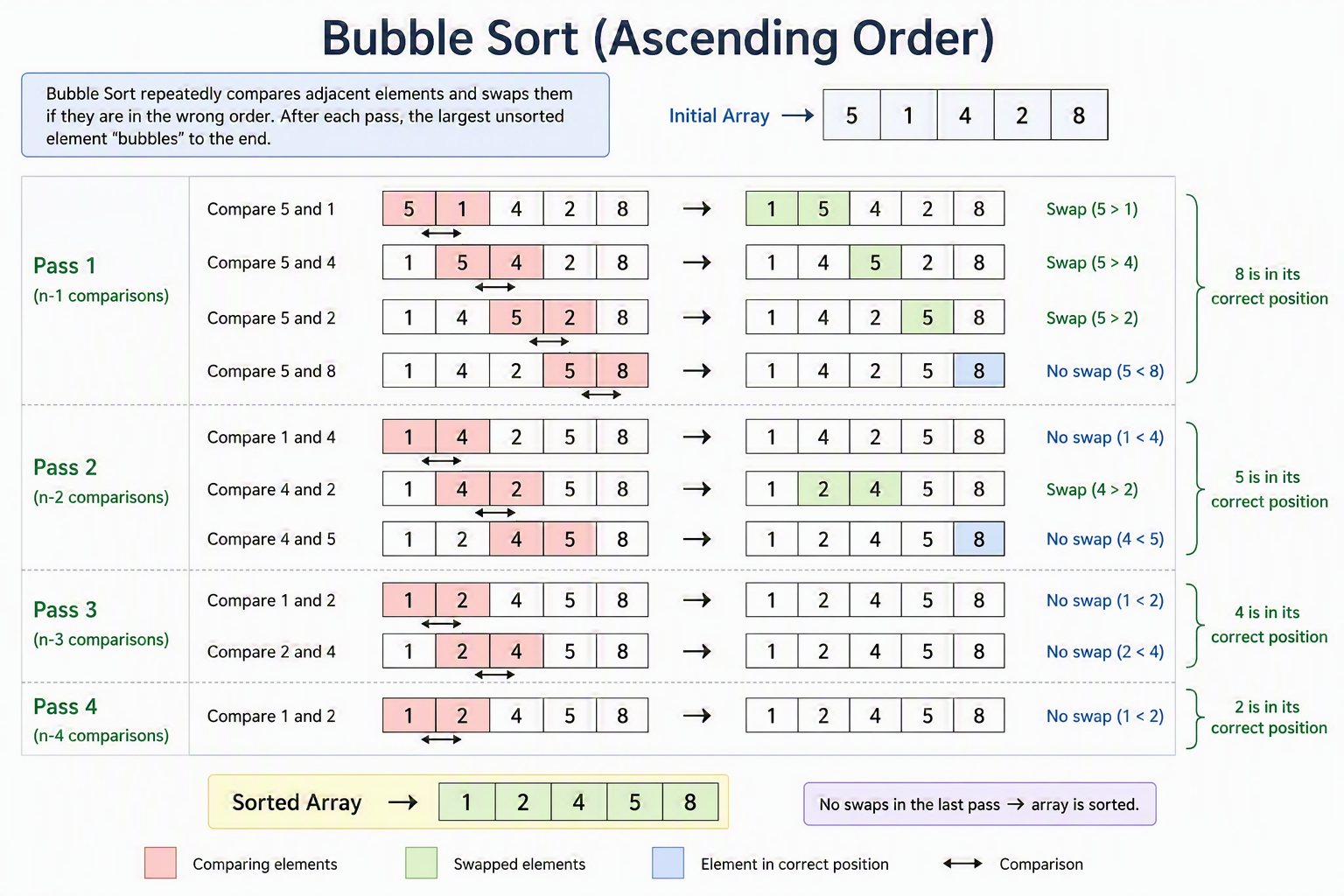
- Using collections to implement linear search and a simple sort; comparing approaches for efficiency
- Applying truth tables to Design and simplify compound conditions
- Reading from and writing to simple text files, documenting assumptions and Testing Data
- Using a lightweight version-Control workflow (e.g. local commits) to track program changes
Futures literacies
- Applying AI tools to create or adapt simple applications, explaining how Data and algorithms shape their behaviour
- Evaluating Intelligent systems for fairness, Reliability, and unintended consequences, using simple checks like cross-referencing and user Feedback
- Exploring future scenarios through speculative Design to propose responsible and inclusive solutions